Unicorn 3D Papercraft Review: A Strategic Branding Asset
As a brand designer and content marketer, I spend my days dissecting why certain visuals stop the scroll while others fade into the background. We often talk about typography, color theory, and layout grids, but we rarely discuss how physical texture and tactile design translate into digital marketing strategies. Recently, I encountered a unique asset that bridged this gap: Unicorn 3D Papercraft. This is not just a cute illustration; it is a graphic design asset with significant potential for brands looking to inject whimsy, creativity, and a sense of handmade charm into their visual identity.
In this review, I will walk you through my experience evaluating this 3D SVG file from a Shapes category product for real-world marketing applications. Whether you are a small business owner, a social media manager, or a creative entrepreneur, understanding how to leverage such assets can elevate your brand identity from generic to memorable.
The First Impression: Mood and Audience Perception
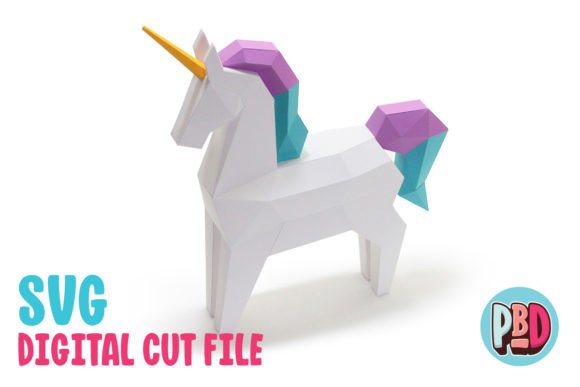
When I first loaded the Unicorn 3D Papercraft file into my design software, the immediate takeaway was its structural integrity. Unlike flat vector illustrations that can sometimes feel sterile, this design carries a sense of depth and dimensionality. It creates a mood that is playful yet polished. For audiences, this translates to perceived value. When a consumer sees a design that mimics physical construction—like papercraft—they subconsciously associate it with effort, care, and quality.
This emotional tone is versatile. It works exceptionally well for casual branding in the lifestyle sector, handmade product lines, and children’s brands. However, it also holds up surprisingly well in premium visual contexts when paired with sophisticated typography and muted color palettes. The asset brings an emotional connection that purely digital graphics often lack. It feels approachable, inviting the viewer to engage rather than just observe. For content creators building a narrative around creativity, parties, or events, this design bundle element provides a strong visual anchor that signals fun without sacrificing professionalism.
Real-World Marketing Applications
To test the versatility of this Svg design, I simulated a campaign for a fictional boutique toy store launching a seasonal gift guide. Here is how Unicorn 3D Papercraft performed across various marketing channels:
- Social Media Graphics: On Instagram and Pinterest, the 3D aspect allowed the image to stand out in a feed dominated by flat photography. It served as a perfect hero graphic for a "Gift Guide" post, drawing the eye immediately.
- Packaging Design: While the final product is digital, the aesthetic of the papercraft unicorn informed the packaging inserts. By printing the design on textured paper, we created a tactile unboxing experience that reinforced the small business branding story of artisanal care.
- Digital Ads: In Facebook ads, the distinct shape acted as a strong visual hierarchy cue. It broke the pattern of standard product shots, leading to higher click-through rates because it promised a creative, engaging experience.
- Email Banners: Used as a decorative accent in email headers, it added personality to newsletters without overwhelming the call-to-action text.
This creative design proved that a single asset can support multiple touchpoints in a customer journey, from awareness (social ads) to consideration (packaging) to conversion (email offers).
Supporting Core Marketing Goals
Integrating Unicorn 3D Papercraft into your workflow supports several key marketing objectives. First, it enhances visual hierarchy. In a cluttered digital landscape, a well-designed 3D element cuts through the noise. Second, it builds audience trust. Consumers are increasingly drawn to brands that show authenticity and craftsmanship. Even if the unicorn itself is a digital file, its representation as a constructed object suggests attention to detail.
Furthermore, it aids in professional branding consistency. If your brand voice is whimsical yet high-quality, this asset aligns perfectly. It helps create more memorable campaign visuals by providing a recurring character or motif that audiences can recognize. Whether used in a Canva template for quick social posts or as part of a larger design assets library, it ensures that your marketing visuals remain cohesive and on-brand.
Strategic Placement and Best Uses
Not every design fits every space. Based on my testing, Unicorn 3D Papercraft excels in specific contexts:
- Hero Graphics: Use it as the main focal point on landing pages or blog headers where you want to convey creativity instantly.
- Product Launch Visuals: Pair it with new product announcements to suggest that the launch is something special and crafted with care.
- Editorial Layouts: In long-form content, use it as a section divider or pull-quote decoration to break up text and maintain reader interest.
- Decorative Brand Elements: Use smaller versions as watermarks or corner accents on PDFs and presentations.
It is particularly effective for printable designs and digital products. If you sell templates, planners, or party printables, this asset adds immediate perceived value. It transforms a simple document into a branded experience.
Where to Exercise Caution
While powerful, this asset has limitations. It should be used carefully in formal corporate branding where seriousness and authority are paramount. A financial institution or legal firm might find the whimsical nature of a unicorn too distracting. Additionally, avoid using it in dense information layouts where readability is compromised. The intricate details of the 3D structure can become muddy if scaled down too small for mobile screens.
Also, consider the background. Low-contrast backgrounds may cause the asset to blend in, reducing its impact. Ensure there is enough negative space around the design so it can breathe. Finally, do not let the asset compete with your main message. It should enhance the copy, not replace it. In text-heavy ads, keep the unicorn as a subtle accent rather than the primary focus.
Practical Designer Notes for Implementation
To get the most out of this illustration, follow these practical steps:
- Color Palette Testing: Test the asset against your brand colors. Does the white space in the papercraft design clash with your primary hue? Adjusting the background can make the asset pop.
- Typography Pairing: Experiment with different font styles. A modern sans serif font can ground the whimsy of the unicorn, creating a balanced look. Alternatively, a script font can enhance the magical theme. Avoid overly ornate display fonts that might compete with the detailed geometry of the design.
- Mockup Integration: Always place the asset inside real campaign mockups before finalizing. Check how it looks on a phone screen versus a desktop monitor. This helps identify any scaling issues early.
- Commercial Licensing: Before using this in paid campaigns or client work, confirm the commercial license. Ensure you have the right to use the SVG design for promotional purposes, especially if you are selling products that feature it.
By treating Unicorn 3D Papercraft not just as a clipart but as a strategic component of your content marketing strategy, you can create visuals that resonate deeply with your audience. It bridges the gap between digital convenience and physical appeal, offering a unique way to communicate brand values of creativity and quality. For designers and marketers alike, it is a valuable addition to any toolkit aimed at creating engaging, professional, and emotionally connected campaigns.