3D Papercraft Castle in the Clouds: 3D SVG Fantasy And Fairy Tales Review
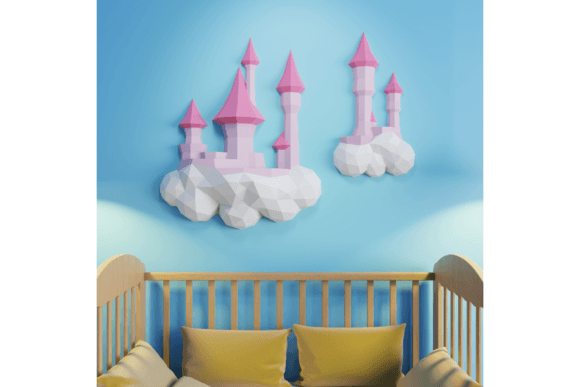
In my years as a brand designer and content marketer, I have learned that visual assets are never just decorations; they are strategic tools for communication. When evaluating a graphic design asset, I look beyond its aesthetic appeal to understand how it functions within a broader marketing ecosystem. Recently, I reviewed a file titled "3D Papercraft Castle in the Clouds," which falls under the category of Fantasy And Fairy Tales. While the product description suggests it is perfect décor for kids rooms, changing a room into a fantasy land where it works like a doll house, my focus was on its potential as a commercial design element for digital campaigns.
This review explores how this specific SVG design can be integrated into real-world branding workflows, from social media graphics to packaging design, and what creative entrepreneurs need to consider before deploying it in their content marketing strategies.
The First Impression: Mood and Emotional Tone
Upon opening the file, the immediate takeaway is the whimsical, airy quality of the illustration. The papercraft style inherently suggests craftsmanship, tangibility, and playfulness. In terms of audience perception, this asset does not scream corporate authority or minimalist luxury; instead, it evokes nostalgia, wonder, and creativity. For brands targeting families, educators, or those in the lifestyle niche, this mood aligns perfectly with goals of building emotional connection and approachable small business branding.
The visual hierarchy of the castle itself is clear. The layered paper effect creates depth without requiring complex shading, making it an excellent candidate for clean, modern design aesthetics. However, marketers must recognize that this asset carries a strong personality. It is best suited for casual branding, handmade products, or event promotions rather than formal corporate environments. If your brand identity relies on stark minimalism or serious financial services, this asset may clash with your visual consistency. But for a children’s book publisher, a party planning service, or a toy brand, it offers an instant hook for attention.
Integrating the Asset into Real Marketing Projects
To demonstrate the practical value of this creative design, imagine a small business launching a new line of educational toys or organizing a seasonal "Fantasy Festival" promotion. Here is how the 3D Papercraft Castle in the Clouds fits into various stages of that campaign:
- Social Media Graphics: Use the castle as a hero graphic for Instagram posts or Facebook ads. Its vertical structure works well for stories and reels covers, drawing the eye upward. Pair it with soft pastel backgrounds to maintain a cohesive color palette.
- Pinterest Pins: This asset is ideal for creating tall, vertical pins. As Pinterest is a discovery engine for DIY and decor, a pin featuring this castle alongside text like "Transform Your Child's Room" can drive significant traffic. Ensure the text overlay does not obscure the intricate details of the papercraft.
- Email Banners: Incorporate the castle at the header of a newsletter promoting a spring sale or a new product launch. It adds a festive touch that increases open rates by signaling something special and celebratory.
- Packaging Design: For physical products, this printable design can be scaled down for stickers, thank-you cards, or packaging inserts. It elevates the unboxing experience, making customers feel like they are receiving a piece of magic, which enhances audience trust and loyalty.
- Website Headers: Use the asset as a decorative element on landing pages dedicated to children’s collections. It breaks up text-heavy layouts and provides a visual anchor that guides users toward call-to-action buttons.
Supporting Marketing Goals Through Visual Strategy
Using this asset strategically can help achieve several key marketing objectives. First, it aids in creating a stronger first impression. In a crowded digital marketplace, unique illustrations stand out against generic stock photography. Second, it supports clearer visual hierarchy. The distinct shape of the castle allows designers to frame text around it, ensuring that the message remains readable while the image captures interest.
Furthermore, consistent use of such thematic elements improves brand recognition. If a brand repeatedly uses fantasy-inspired design assets, audiences begin to associate that whimsical style with the brand’s identity. This leads to better engagement rates, as followers come to expect and enjoy the creative content. Additionally, it contributes to a professional appearance when balanced correctly. A high-quality digital product like this SVG file ensures crisp lines and scalable resolution, preventing pixelation that can undermine professional branding.
Where the Asset Works Best
The versatility of this clipart lies in its adaptability. It excels in hero graphics where it serves as the main focal point. Campaign headers benefit from its expansive cloud base, which provides a natural space for typography. For branded templates, such as Canva templates for bloggers or coaches, this asset adds a touch of uniqueness that differentiates the template from competitors.
It also works beautifully as a decorative brand element in editorial layouts. Magazines or blogs focusing on parenting, fairy tales, or creative hobbies can use it to break up sections of text. Promotional banners for limited-time offers can leverage the "castle" metaphor to suggest a destination or a reward, subtly encouraging clicks. Finally, for merchandise designs, such as t-shirts or mugs, the simplified lines of the papercraft style translate well to print, ensuring the design remains legible and attractive.
Limitations and Areas for Caution
While powerful, this asset has limitations. It should be used carefully in formal corporate branding where seriousness is paramount. Dense information layouts may become cluttered if the castle competes with too much text. Small mobile graphics require scaling down, so ensure the fine details of the papercraft do not disappear on smaller screens.
Low-contrast backgrounds can make the asset blend in rather than pop. Always test the design against various background colors to ensure visibility. Overly minimal brands might find the detail level distracting. Text-heavy ads should avoid placing the castle directly behind critical information, as the layered shadows can reduce readability. In these cases, using the asset as a border or corner accent is more effective than centering it.
Practical Brand Designer Notes
Before integrating this SVG design into your workflow, follow these practical steps to ensure optimal results:
- Test Color Palettes: Place the asset inside real campaign mockups using your brand colors. Does it harmonize, or does it clash? Adjust the hue or saturation if necessary to match your brand identity.
- Check Black and White Usage: Convert the asset to grayscale to check its structural integrity. If it loses definition without color, it may struggle in monochrome applications like faxed documents or single-color prints.
- Preview on Mobile: View the design on mobile screens to ensure the details remain discernible. If the lines are too thin, consider simplifying the vector paths.
- Font Pairing: Experiment with different typefaces. A serif font can add elegance, contrasting nicely with the playful castle. A sans serif font offers modern clarity. Script or handwritten fonts can enhance the whimsical theme, while display fonts can create bold headlines. Test each combination for balance and readability.
- Review Spacing: Ensure there is adequate negative space around the asset. Cluttered designs reduce impact. Let the castle breathe.
- Confirm Licensing: Always review the commercial license before using the asset in paid campaigns, client work, or business branding. Ensure you have the right to use it for digital ads and merchandise sales.
In conclusion, the 3D Papercraft Castle in the Clouds is a versatile creative marketplace asset that offers significant value for content creators and small business owners. By understanding its strengths and limitations, marketers can leverage this illustration to create memorable, emotionally resonant campaigns that stand out in a noisy digital landscape.