3D Papercraft Mummy: 3D SVG for Halloween
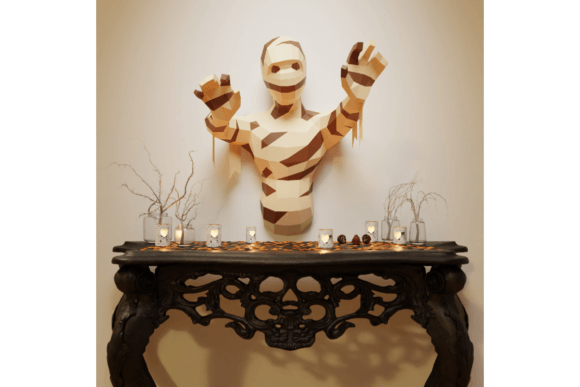
As someone who spends more time debugging SVG cut lines than actually sleeping, I approach every new digital asset with a mix of hope and skepticism. When I first pulled up the 3D Papercraft Mummy, I wasn't just looking at a cute graphic; I was evaluating its potential as a revenue-generating product for my handmade business. The description highlights that this is a DIGI 3D Papercraft Mummy Template – perfect for Halloween, noting it is a wall hanging model and warning that it is a very large project with 122 parts. For the casual hobbyist, that might sound daunting. For an Etsy seller or craft fair vendor, however, that complexity signals premium value.
This isn't just a flat image to slap on a t-shirt. It is a structural design asset intended for real crafting. In this review, I will break down how this 3D SVG fits into a real-world workflow for makers, printers, and small business owners, focusing on practical application rather than just aesthetic appeal.
The Visual Personality and Market Appeal
Before we talk about cutting paths, we have to talk about the vibe. The 3D Papercraft Mummy strikes a balance between spooky and decorative. It avoids being overly grotesque, which makes it versatile enough for family-friendly markets while still hitting that seasonal note. This is crucial for Halloween collections where you want to attract customers who want festive decor without committing to horror-themed items.
The style suggests a premium, artisanal feel. Because it is designed as a papercraft model, it inherently communicates effort and craftsmanship. When you sell a finished version of this, you aren't just selling a mummy; you are selling the experience of assembly and the result of detailed labor. This appeals strongly to buyers looking for unique, high-quality handmade business products rather than mass-produced plastic decorations. It fits perfectly into rustic, cozy, or playful festive aesthetics, making it a strong contender for Etsy product listings targeting home decorators.
Real-World Crafting Applications
So, how does this graphic design asset translate from screen to shelf? Here is where I see the most potential based on current trends in the creative marketplace.
- Large-Scale Wall Decor: As the description notes, this is a "wall hanging model." With 122 parts, this is a statement piece. You can create finished papercraft mummies to sell as standalone decor items. These command higher price points because they require significant assembly time, which you can factor into your pricing strategy.
- Sticker Design: If you do not want to assemble the full 3D model, you can extract individual layers or the assembled silhouette for use in sticker design. However, be careful with the scale. Small stickers may lose the intricate detail of the wrapping bands unless you print at a high resolution.
- Tumbler Wraps and Mug Designs: While the full 3D structure won't fit on a mug, the central figure can be isolated. Used as a mug design or part of a tumbler wrap, it adds a textured, dimensional look to sublimation prints. The layered nature of the papercraft gives a sense of depth even when printed flat.
- Party Favors and Gift Tags: For smaller events, you can create simplified versions of this 3D SVG for gift tags or party favor boxes. It serves as excellent printable design content for customers who want to add a personal touch to their Halloween treats.
- Sublimation Design: If you are creating custom apparel, this illustration works well as a sublimation design for tote bags or hoodies. The clean lines typical of good SVG design files ensure that the print remains crisp, provided the source file is vector-based.
Technical Considerations for Cricut and Silhouette Users
For those using Cricut project tools or Silhouette project machines, working with a 122-part file requires patience and precision. This is not a "cut and paste" five-minute job. It is a serious undertaking.
File Integrity Check: Before uploading to your cutter, always check if the SVG lines are clean. Complex models often come with overlapping nodes or unnecessary anchor points that can cause blade jams or misalignments. Use your software’s "simplify" function cautiously to ensure you don't remove critical connection tabs.
Material Selection: The choice of material drastically changes the outcome. For a sturdy wall hanging, cardstock or light chipboard is recommended. Standard copy paper will likely sag under the weight of 122 pieces. If you are selling these, consider offering kits with pre-cut cardstock to justify a higher retail price.
Alignment is Key: Because this is a 3D SVG meant for physical assembly, registration marks are vital. Ensure your printer settings allow for accurate scaling. A 1% error in printing can compound over 122 parts, resulting in a mummy that looks like it has missing limbs. Always run a test print on scrap paper before committing to expensive materials.
Where to Use It (And Where to Be Careful)
This asset shines in contexts that celebrate detail and seasonality. It works best in seasonal craft bundles, gift products, and decorative accents. It is also excellent for personalized items if you can integrate customer names into the packaging or accompanying cards.
However, there are pitfalls. Avoid using the full complex layout for very small cutting details. Thin lines may not cut through thick vinyl effectively, leading to frustration for your end-users. Similarly, in crowded compositions or low-contrast colors, the intricate details of the mummy's wrappings may get lost. If you are placing this on a dark background, ensure the contrast is high enough so the design doesn't disappear. For layered vinyl projects, you must separate the layers manually if the file does not come pre-segmented by color or depth.
Practical Notes for Handmade Sellers
If you plan to monetize this, treat it like any other commercial asset. First, confirm commercial licensing before using it for customer orders. Even if you buy the file, some creators restrict resale of the digital file itself versus the physical product made from it.
Secondly, test the file before selling finished products. Build one prototype. Does it stand up? Do the tabs hold? Is the final size appropriate for shipping? Packaging is half the battle in small business branding. A beautifully assembled mummy that arrives crushed in a box will lead to negative reviews. Invest in rigid mailers or box inserts.
Finally, think about your marketing visuals. Create product mockups that show the mummy in a real home setting—perhaps hanging in a hallway or displayed on a mantle. This helps customers visualize the scale. Pair the imagery with complementary fonts; a serif font can add elegance, while a handwritten font can emphasize the DIY aspect. Remember, you are selling a creative experience, not just a PDF.
In conclusion, the 3D Papercraft Mummy is a robust asset for serious crafters. It demands skill and time, but that investment translates directly into perceived value for the buyer. By understanding its technical requirements and market positioning, you can turn this 122-part challenge into a profitable addition to your handmade shop collections. Whether you are preparing for a busy craft fair or updating your online store for the holiday rush, this design bundle offers a unique way to engage your audience with something truly tangible.