Cute Horse DIY 3D Papercraft: A Designer’s Review
As a designer who spends hours evaluating how digital assets translate into physical products, I look for more than just a pretty image. I need to know if a design holds up under the needle, if it appeals to the end consumer, and if it adds value to a handmade product. When I first encountered the Cute Horse DIY 3D Papercraft template, my initial reaction was one of curiosity. The description highlights a charming low-poly aesthetic that is meant to be rewarding to build, but as an embroidery professional, I immediately started thinking about how this geometric, faceted style would behave when stitched onto fabric.
The world of machine embroidery often favors smooth curves and organic shapes, but there is a growing market for structured, graphic designs. This 3D SVG concept brings a modern, architectural feel to the traditional animal motif. It sits at an interesting intersection between papercraft geometry and textile art. For Etsy sellers, small shop owners, and creative entrepreneurs, understanding how this specific visual personality translates into a machine embroidery design is crucial before committing to production.
First Impressions and Visual Personality
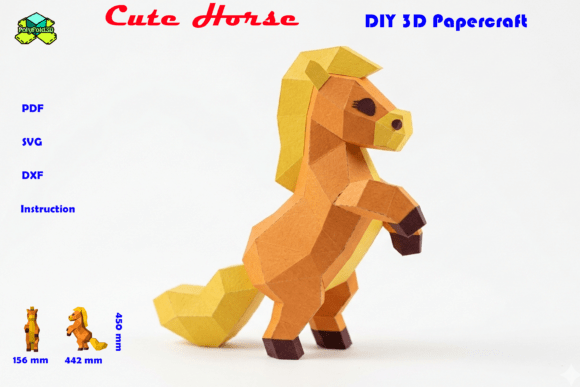
The mood created by the Cute Horse DIY 3D Papercraft is playful yet sophisticated. Unlike traditional realistic horse portraits, which can sometimes feel heavy or overly detailed in stitch form, the low-poly approach breaks the subject down into manageable geometric segments. This creates a distinct visual rhythm that is highly recognizable. For a handmade product, this clarity is vital. Customers scrolling through online stores or browsing craft fair booths respond quickly to designs that are easy to read from a distance.
From a design perspective, the layout feels balanced. The faceted nature of the horse lends itself well to fill stitch techniques, where each polygon can be treated as a small area of color or texture. However, the transition points between these polygons require careful planning. If the stitch density is too high, the sharp angles might blur together, losing the "papercraft" illusion. If it is too loose, the design may look unfinished. The key here is intentionality; the design works best when it embraces its geometric roots rather than trying to hide them.
Real-World Application in Embroidery Projects
I recently considered using this design for a custom order involving a custom apparel item—specifically, a heavyweight cotton canvas tote bag. The structure of a tote bag provides a stable, flat surface that is ideal for testing complex geometries. In this scenario, the Cute Horse DIY 3D Papercraft would stand out against the solid background of the canvas. The contrast between the rugged fabric texture and the precise, clean lines of the low-poly horse creates a compelling juxtaposition.
This design also has strong potential for embroidered patches. Patches are a staple in the craft business, often used on denim jackets, backpacks, and caps. The defined edges of the low-poly horse make it easier to digitize with a clean border, which is essential for patch durability. When applied to a sweatshirt embroidery project, the design adds a focal point without overwhelming the garment. It feels modern and trendy, appealing to a demographic that appreciates contemporary art styles in their everyday wear.
For baby embroidery projects, such as muslin blankets or bibs, the "cute" aspect of the horse shines through. Parents often look for designs that are soft and whimsical. While the low-poly style is angular, the overall silhouette remains gentle and friendly. It fits perfectly into nursery decor themes, offering a unique alternative to traditional floral or cloud motifs. Similarly, for holiday embroidery gifts, this design could serve as a memorable keepsake, perhaps embroidered on a kitchen towel or a decorative pillow cover.
Where to Exercise Caution
Not every application is suitable for every design, and the Cute Horse DIY 3D Papercraft is no exception. There are specific scenarios where this design might struggle or require significant adaptation.
- Small Hoop Sizes: If the design is scaled down too much for a small hoop, the individual polygons may become indistinguishable. The fine details will merge into a muddy blob, losing the intended 3D effect. Always verify the minimum viable hoop size before finalizing the product listing.
- Textured and Stretchy Fabrics: While canvas is stable, fabrics like jersey knit or heavily textured wools can distort the precise lines of a low-poly design. On stretchy materials, the stabilizer choice becomes critical, and even then, puckering around the sharp angles is a risk.
- Dense Stitch Areas: Attempting to use dense satin stitch outlines around every single polygon can lead to bulkiness and needle breakage. The design relies on the interplay of fill stitches, so avoiding excessive outlining is important for a clean finish.
- Curved Surfaces: Applying this design to a cap or a curved hat requires careful hooping and potentially reducing the scale. The rigid geometry of the horse may not conform naturally to the curve of a baseball cap, potentially causing distortion at the edges.
Practical Notes for Designers and Sellers
Before integrating this digital embroidery file into your workflow, there are several technical steps you must take. First, always test the design on scrap fabric that matches the weight and composition of your final product. This allows you to assess how the thread colors interact with the material and whether the stitch density needs adjustment.
Inspect the small details closely. In a low-poly design, the smallest triangles carry as much visual weight as the larger ones. Use a black-and-white mockup to check for contrast issues; if the design looks flat in grayscale, it likely will lack depth in color. Consider using a proper stabilizer that supports the fabric without adding unnecessary stiffness to the finished piece.
For those selling this as a commercial embroidery asset or a printable mockup, ensure you have the correct licensing. The value of a design asset lies not just in its appearance but in the legal right to profit from it. Confirm whether the 3D SVG source files allow for commercial use in finished goods. Additionally, think about how you present the product. High-quality images that show the design from multiple angles help customers visualize the finished product.
Final Verdict
The Cute Horse DIY 3D Papercraft offers a fresh, geometric take on a classic animal theme. It is a versatile design that can elevate tote bag designs, add character to aprons, and provide a modern touch to personalized gifts. Its success depends largely on execution—choosing the right fabric, managing stitch density, and respecting the limits of the medium.
For apparel decorators and makers looking to expand their catalog with something that stands out from the crowd, this design is a strong contender. It balances artistic appeal with practical stitchability, provided you approach it with the care and technical precision that professional embroidery demands. By testing thoroughly and presenting it well, you can turn this charming low-poly concept into a best-selling item for your craft business.