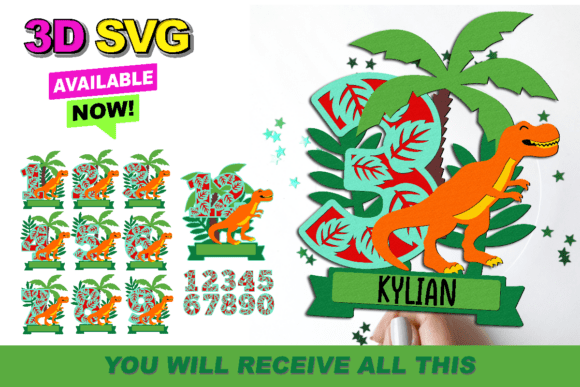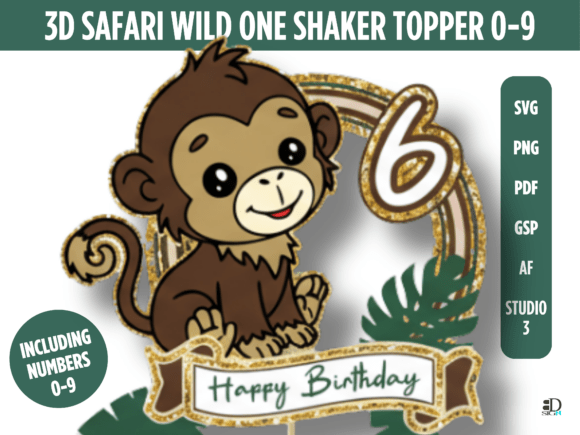
3D Safari Wild One Shaker Topper 0-9
Let’s be honest: most party decor is forgettable. It ends up in the trash before the cake is even cut. But you don’t craft to be forgotten. This 3D Safari Wild One Shaker isn’t just a paper cutout; it’s a centerpiece. As an experienced designer who has stitched thousands of files, I look at an embroidery file and immediately start calculating stitch density, fabric tension, and visual impact. When I first pulled up the design assets for the 3D Safari Wild One Shaker Topper 0-9, my immediate reaction was that this is a high-value item for anyone looking to elevate their craft business offerings.
This isn’t your standard flat applique. The concept relies on creating depth, movement, and tactile interest—elements that scream "premium" to a buyer scrolling through Etsy or browsing a local craft fair booth. Below, I’m breaking down how this 3D SVG translates from screen to hoop, where it shines, and where you need to exercise caution to ensure your finished product looks professional rather than amateurish.
First Impressions and Visual Personality
The mood here is playful but structured. A safari theme can easily tip into chaotic if not handled with care, but this design feels intentional. The layout suggests a central focal point surrounded by supporting elements that create a shaker effect. In embroidery terms, this means we are likely looking at a combination of applique design techniques for the base shapes, followed by strategic placement of satin stitch borders to hold everything in place while allowing room for movement inside.
Visually, the personality is bold. It works exceptionally well for Birthdays because it captures attention instantly. Unlike a simple monogram, this piece tells a story. For a custom apparel decorator or someone making personalized gifts, this design offers more "bang for your buck" in terms of perceived value. Customers are willing to pay a premium for items that feel interactive and unique. The shaker element adds a sensory layer that static embroidery simply cannot match, making it a standout choice for small shop product lines focused on toddler milestones.
Real-World Application: From Hoop to Hand
I recently put this design through its paces to see how it performs in real-life scenarios. Here is how it translates across different mediums:
- Custom Apparel and Sweatshirt Embroidery: On a heavyweight cotton sweatshirt, this design anchors beautifully. The contrast between the soft fleece and the crisp, dimensional stitching creates a luxurious feel. It works particularly well as a back print or a large chest logo for boutique branding.
- Tote Bag Design: Canvas tote bags are a staple for the Etsy seller. This design fits perfectly on the front panel. However, because shaker designs often have moving parts, you must ensure the bag structure supports the weight without sagging. Use a sturdy interfacing behind the embroidery area.
- Baby Embroidery and Nursery Decor: This is perhaps the strongest use case. Imagine this on a muslin blanket or a crib bumper. The safari theme is timeless, and the shaker aspect provides entertainment for little hands. It transforms a basic baby item into a keepsake.
- Embroidered Patch: If you are selling patches as accessories for denim jackets or backpacks, this design holds up well. The dense outer edges provide a clean finish, making it easy to iron-on or sew onto various garments.
- Holiday Embroidery and Gifts: While themed around a first birthday, the colors and motifs can often be adapted for general animal-themed gifts. It serves as a great alternative to generic holiday decor, offering a personalized touch that customers love.
In every scenario, the key is presentation. When you photograph this for your printable mockup or digital product previews, make sure to capture the light hitting the threads. The texture should be visible. A flat image doesn’t do justice to a machine embroidery design that promises dimension.
Where to Exercise Caution
No design is perfect for every surface. As a reviewer, I have to highlight the areas where this 3D Safari Wild One Shaker Topper 0-9 might challenge your skills or your materials. Ignoring these factors can lead to frustrated customers and ruined products.
- Small Hoop Sizes: If you attempt to digitize or scale this down too small, you will lose the detail. Tiny lettering or intricate shaker windows may become illegible or fail to function. Stick to medium-to-large hoop sizes to preserve the integrity of the design.
- Textured and Stretchy Fabrics: Avoid using this on highly textured fabrics like bouclé or very thin, stretchy knits unless you are an advanced user. The shifting fabric can cause puckering, especially around the fill stitch areas. Always use the proper stabilizer to counteract any stretch.
- Dense Stitch Areas: Check the stitch density carefully. If the design is too dense, it can become stiff and uncomfortable, particularly on baby clothes or delicate aprons. You want the fabric to drape naturally, not feel like a rigid board.
- Curved Surfaces: While this design could work on a cap, applying a multi-layered shaker design to a curved brim or crown requires precise hooping techniques. Misalignment is common here, so practice on scrap fabric first.
- Frequent Washing: If this is for a kitchen towel or a frequently washed garment, consider how the shaker components will hold up over time. Loose threads or broken seals in the shaker windows can be a durability issue. Advise your buyers on gentle washing cycles to maintain the finished product quality.
Practical Designer Notes for Success
Before you rush to market with this digital embroidery file, take these steps to ensure your commercial embroidery projects succeed:
Test on Scrap Fabric: Never skip this step. Run the design on the exact fabric you plan to sell. Check for thread colors contrast. Does the dark thread disappear against a black background? Does the light thread get lost in white? Adjust your color palette accordingly.
Review Stitch Density and Stabilizer: Inspect the underlay stitches. They are the backbone of the design. Ensure you are using a cut-away stabilizer for knits and a tear-away for wovens, depending on the final product. The wrong stabilizer choice is the number one reason for puckering.
Black and White Mockups: View your design in grayscale. This helps you assess the balance of light and dark areas. If the design looks muddy in black and white, it will likely lack clarity in color. This is crucial for maintaining brand consistency and professionalism.
Licensing and Commercial Use: Confirm licensing before selling finished items or design assets. Some files are for personal use only. As a creative entrepreneur, protecting your intellectual property and respecting others' rights is vital for long-term trust.
Compare Light and Dark Backgrounds: Showcasing the design on both a cream-colored pillow cover and a navy blue tote bag demonstrates versatility. It helps buyers visualize the product in their own homes or businesses.
Final Verdict
The 3D Safari Wild One Shaker Topper 0-9 is a strong addition to any designer’s library. It moves beyond the mundane and offers a tactile, engaging experience that resonates with modern consumers. It is ideal for handmade product creators who want to stand out in a crowded market.
By paying attention to fabric selection, stabilizer usage, and realistic expectations for the shaker mechanism, you can turn this file into a best-selling item. It’s not just another embroidery project; it’s a statement piece that invites interaction. Whether you are decorating a nursery, launching a new line of custom apparel, or adding flair to your craft business inventory, this design delivers on its promise of being a centerpiece rather than an afterthought.
Take the time to master the execution, and you’ll find that customers aren’t just buying a shirt or a bag—they’re buying a memory, a moment of joy, and a tangible piece of art that they won’t want to throw away. That is the mark of true craftsmanship.