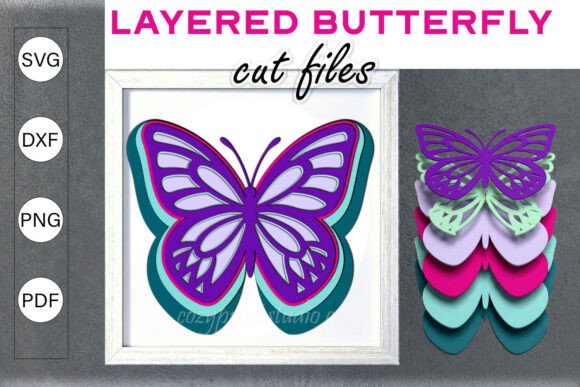
3D Layered Butterfly SVG Cut Files Decor: A Publisher’s Review
In the world of digital publishing, visual hierarchy is not just an aesthetic choice; it is a functional necessity. As a blog designer who has spent years optimizing content for readability, engagement, and conversion, I have learned that the right graphic design asset can make or break a reader’s first impression. Recently, I evaluated a versatile file set known as 3D Layered Butterfly SVG Cut Files Decor. While marketed primarily for physical home decor and crafting, this 3D SVG collection holds surprising potential for editorial design, website branding, and content marketing strategies.
This review explores how these files can be repurposed from craft supplies to high-quality digital assets. We will examine their impact on visual communication, their suitability for various content niches, and the practical considerations for using them in real-world publishing workflows.
The Editorial Mood: Elegance Meets Depth
The first thing that strikes me when reviewing any design element is the mood it sets. The product description notes that this design features six unique layers that come together to create a beautiful, high-depth piece of art. In a digital context, this "layering" effect translates directly into perceived value and sophistication. Unlike flat icons, which can sometimes feel generic or dated, a layered vector suggests texture and dimensionality even on a two-dimensional screen.
This asset naturally supports niches that prioritize lifestyle, wellness, creativity, and feminine aesthetics. It feels modern yet timeless, striking a balance between playful and professional. For bloggers in the DIY, interior design, or fashion spaces, this butterfly graphic can serve as a subtle but powerful accent that elevates the overall brand identity. It does not scream for attention like a bold geometric shape might; instead, it invites the reader in with a sense of grace and polish. This is crucial for building reader trust, as a polished visual system signals that the content behind it is equally well-crafted.
Real-World Publishing Applications
While the primary use case for these files is cutting machines for vinyl or cardstock, savvy publishers can leverage the vector nature of SVGs for a variety of digital applications. Here is how I see this design asset fitting into a comprehensive content strategy:
- Pinterest Graphics and Social Media Visuals: Pinterest is a visual search engine where depth and detail drive clicks. Using the layered butterfly as a central element in pin designs can help your content stand out in a crowded feed. The multiple layers allow for creative compositing, enabling you to create intricate backgrounds or overlays that capture the eye.
- Blog Featured Images and Headers: A clean, elegant butterfly motif can soften the look of text-heavy headers. When used as a decorative accent in a website header or alongside article titles, it adds a touch of personality without overwhelming the typography. This is particularly effective for lifestyle blogs and newsletters.
- Digital Guides and Lead Magnets: If you are creating a downloadable resource, such as a checklist or eBook, this digital product element can enhance the cover design. The layered effect mimics the look of embossed or foil-stamped print materials, giving your freebie a premium feel that encourages downloads.
- Newsletter Banners: Email marketing requires quick visual scanning. A beautifully rendered butterfly graphic can serve as a section divider or a thematic anchor for seasonal emails (such as spring or summer campaigns). It adds a human touch to automated messages, making them feel more curated and less transactional.
- Category Thumbnails: Consistency is key for navigation. If you have a category dedicated to "Home Decor" or "Creative Projects," using variations of this butterfly graphic across all thumbnails creates a strong brand identity and improves category recognition.
Impact on Content Performance
Why should a publisher care about using a specific butterfly graphic? The answer lies in user experience and engagement metrics. High-quality visuals contribute to a stronger first impression, which directly influences bounce rates. When a visitor lands on a page with cohesive, aesthetically pleasing graphics, they are more likely to stay and read.
Furthermore, this asset supports clearer visual hierarchy. By using the layered butterfly as a focal point, you can guide the reader’s eye toward calls-to-action or key information. It helps break up large blocks of text, making long-form articles more digestible. In the context of affiliate marketing, where trust and persuasion are paramount, a professional-looking layout reinforces the credibility of your recommendations. A cluttered or low-resolution design can inadvertently signal low effort, whereas a refined creative design asset suggests expertise.
Strategic Placement and Best Practices
To maximize the effectiveness of this graphic design asset, placement is critical. It works best in areas where space allows for detail to be appreciated. Hero images, editorial accents, and full-width banners are ideal candidates. However, there are limitations to consider.
You must use this design carefully in small mobile thumbnails. At reduced sizes, the intricate layers may blur or become indistinguishable, resulting in a muddy appearance. Similarly, avoid placing it over busy layouts or low-contrast backgrounds. The elegance of the butterfly relies on negative space and clarity. If the background is too noisy, the visual impact is lost. Additionally, while this asset is beautiful, it may not be suitable for serious professional niches such as corporate finance or legal advice, where a more minimal and rigid visual system is expected.
Practical Publisher Notes for Implementation
Before integrating this 3D SVG into your workflow, there are several technical and strategic checks you should perform:
- Test Across Devices: Always preview your designs on both desktop and mobile screens. Ensure that the layered effect remains crisp and does not pixelate on high-resolution displays.
- Check Thumbnail Legibility: Resize your graphics to the dimensions they will appear as blog post thumbnails. If the details disappear, simplify the design or use a solid color version.
- Font Pairing: Experiment with different typefaces. Place the butterfly graphic beside serif fonts for a classic, editorial look, or sans-serif fonts for a modern, clean aesthetic. Script or handwritten fonts can work if the niche is personal and craft-focused, but ensure readability is maintained.
- Contrast and Readability: Test the graphic against various background colors. Use tools to check contrast ratios to ensure accessibility compliance, especially if text is overlaid near the graphic.
- File Size Optimization: Even though SVGs are vector-based, complex layering can increase file size. Compress your files properly to maintain fast web performance. Slow-loading pages hurt SEO and user experience.
- Licensing Verification: Confirm the commercial license terms before using this asset on monetized websites, affiliate pages, or paid content products. Ensure you have the right to use the design for digital distribution and small business branding.
Conclusion
The 3D Layered Butterfly SVG Cut Files Decor is more than just a crafting supply; it is a flexible design asset that can enhance the visual appeal of digital content. By understanding its strengths—elegance, depth, and versatility—you can integrate it into your content marketing strategy in ways that boost engagement and reinforce your brand identity. Whether you are designing a Canva template for social media or updating your site’s editorial design, this butterfly offers a sophisticated touch that resonates with readers seeking quality and beauty in their digital experiences.