3D Graduation Picture Frame Laser Cut
When I first pulled up the file for the 3D Graduation Picture Frame Laser Cut, my initial reaction was one of cautious optimism. As someone who spends half their day troubleshooting tension issues and the other half trying to convince clients that "embroidery isn't just a logo," I look at new designs with a critical eye. I want to know if it will actually hold up in the real world, not just how pretty it looks in a digital preview. This is a digital product, meaning you are buying an SVG file intended for laser cutting, which immediately shifts the context from pure machine embroidery to a hybrid craft project. However, for those of us in the handmade space, the line between laser-cut decor and embroidered accessories is often blurred. We create layered pieces, we combine techniques, and we sell experiences. So, does this design earn its place in your workflow?
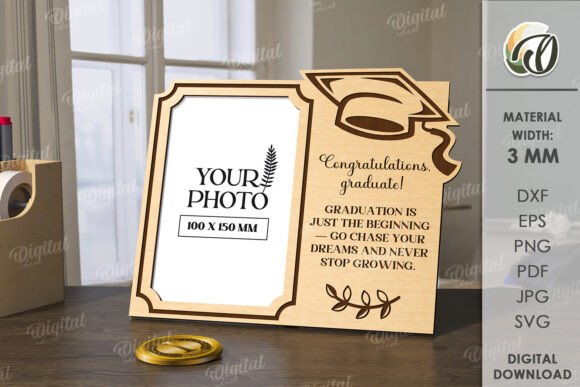
The mood of the 3D Graduation Picture Frame Laser Cut is celebratory but structured. It has a clean, architectural feel that works well for milestone events. Unlike some graduation designs that rely on heavy, cluttered fill stitches or tiny, illegible text, this design leans into shape and silhouette. For an embroidery designer or craft business owner, this is significant. It suggests a finished product that feels premium rather than mass-produced. When you layer this laser-cut frame over an embroidered element—whether that’s a monogram, a simple satin stitch border, or even a small appliqué—you create depth. That 3D effect is exactly what drives engagement on platforms like Etsy, where buyers are looking for tactile, high-quality items.
Real-World Application: From Digital File to Finished Product
Let’s talk about how this fits into actual projects. I recently worked on a custom order for a boutique client who wanted personalized gifts for a high school graduating class. They needed something that felt special but could be produced efficiently. The 3D Graduation Picture Frame Laser Cut presented itself as a perfect candidate for a layered tote bag design or perhaps a decorative pillow cover. Imagine using a sturdy canvas tote, applying a subtle embroidered motif in the center, and then adhering this laser-cut frame around it. The contrast between the soft texture of the fabric and the crisp edges of the laser-cut material (be it wood, acrylic, or thick cardstock) creates a visual hierarchy that customers respond to.
It also performs exceptionally well as part of a nursery decor set or a baby gift bundle. While graduation implies age, the aesthetic of a "frame" is universal. You could adapt this concept for a baby’s first photo frame, using softer colors and simpler embroidery threads. For an Etsy seller, this versatility is gold. One core asset—the SVG file—can be adapted for multiple product lines: custom apparel, home decor, and personal stationery. If you are selling digital assets, this design offers a strong foundation for mockups because the negative space is clearly defined, allowing potential buyers to visualize their own photos inside.
Where to Exercise Caution
No design is without its pitfalls, and being honest about limitations builds trust with your audience. The 3D Graduation Picture Frame Laser Cut relies heavily on precision. If you plan to integrate this directly into a machine embroidery design workflow, you need to be mindful of hoop size constraints. Large frames can eat up valuable hoop real estate, leaving little room for additional stitching details. If your machine doesn’t support large hoops, you may find yourself limited in the scale of the final piece.
Fabric choice is another critical factor. This design looks best on stable, woven fabrics. Trying to embroider near or onto stretchy knits or thin materials can lead to distortion, especially if the laser-cut component adds weight or rigidity to the garment. I would advise against using this on curved surfaces like baseball caps unless you have extensive experience with stabilizers and curved hooping techniques. The structural integrity of the frame might clash with the curve of the hat, causing it to pop off or sit unevenly. Additionally, if you are using dark fabrics, ensure your thread colors provide enough contrast. A light-colored laser cut on a dark background might get lost visually unless you add a contrasting embroidered border to bridge the gap.
Design Judgment and Visual Appeal
From a purely aesthetic standpoint, the 3D Graduation Picture Frame Laser Cut elevates the perceived value of the finished product. In the world of handmade goods, presentation is everything. A simple embroidered patch is nice, but a framed, layered piece feels like a keepsake. This design capitalizes on that psychology. It signals to the buyer that effort was taken, that layers were considered, and that the item is durable enough to be displayed rather than just worn.
For commercial embroidery projects, this design helps with brand consistency. It has a modern, clean look that aligns well with contemporary branding trends. It avoids the dated feel of overly ornate Victorian-style frames, making it suitable for both traditional and modern audiences. When you show this in a printable mockup, it photographs beautifully because the geometric lines catch the light and create shadows that add dimensionality to the image. This is crucial for online sales, where the customer cannot touch the product. You need the image to convey texture and depth.
Practical Notes for the Designer
Before you commit this design to production, there are several technical checks I recommend. First and foremost, test the design on scrap fabric. Even though this is primarily a laser-cut SVG, if you are combining it with embroidery, you need to see how the two elements interact. Check the stitch density of any accompanying embroidery files to ensure they don’t overwhelm the delicate lines of the frame. Inspect the small details in the SVG; sometimes, intricate cuts can become fragile during the laser process or difficult to handle when attaching to fabric.
Confirm your hoop size capabilities early. If the design is large, ensure your machine can accommodate it without requiring re-hooping, which can misalign the embroidery relative to the laser-cut frame. Also, review the thread colors you plan to use. Run a black-and-white mockup to check for contrast issues. A common mistake is choosing colors that look good individually but blend together when stitched, losing the definition of the design. Use a proper stabilizer appropriate for your fabric weight; a flimsy stabilizer can cause puckering, which ruins the sleek look of a laser-cut frame.
Finally, and most importantly, verify licensing. Since this is a digital product sold as an SVG, you must understand the terms of use. Can you sell physical items made from this design? Are there restrictions on commercial volume? These questions vary by creator. Assuming you can sell freely without checking is a risk that can lead to legal trouble. Protect your small shop product business by reading the fine print. If the license is unclear, contact the seller. Transparency with your customers about the quality and origin of your designs enhances customer trust.
In conclusion, the 3D Graduation Picture Frame Laser Cut is a versatile, high-potential asset for designers who work across mediums. It bridges the gap between digital crafting and textile art, offering a way to create products that stand out in a crowded market. By respecting its technical requirements and leveraging its aesthetic strengths, you can produce memorable personalized gifts and handmade products that justify a premium price point. Just remember to test thoroughly, choose your fabrics wisely, and always prioritize clarity and contrast in your final execution.